


In January, after I came back from my trip to Minnesota to take care of my mom who'd just had major surgery in December, my husband’s cousin died. We went straight from the airport to the hospital to say goodbye. She’d only just been moved to hospice that day; I thought it would take longer. She fell asleep that night and didn't wake up again.
The last thing she said to me, when she hugged me from her bed before we left, was that my hair looked fabulous. She loved my hair. Hers had lost a lot of volume from the medication she'd been on for so many years that ultimately claimed the entire function of her liver, and finally her life. She was envious of it, but in a gracious and flattering way, as was her nature.
We waited outside her room, my husband and I with his brother, his wife, and two of their kids, for her husband to come out to tell us when it was okay to come in to see her. He found us, and he said she wasn't quite ready for visitors. She'd only just spoken with her priest, she'd only just learned, really let it sink in, that she was dying. That that was really happening to her, now. That seeing us would make her remember how much she would miss.
I wasn't prepared for such a bluntly true statement, something I could relate to so strongly, the fear that renders you paralyzed and withdrawn despite wanting nothing more than the opposite, and I gasped, choked on tears I was not anticipating.
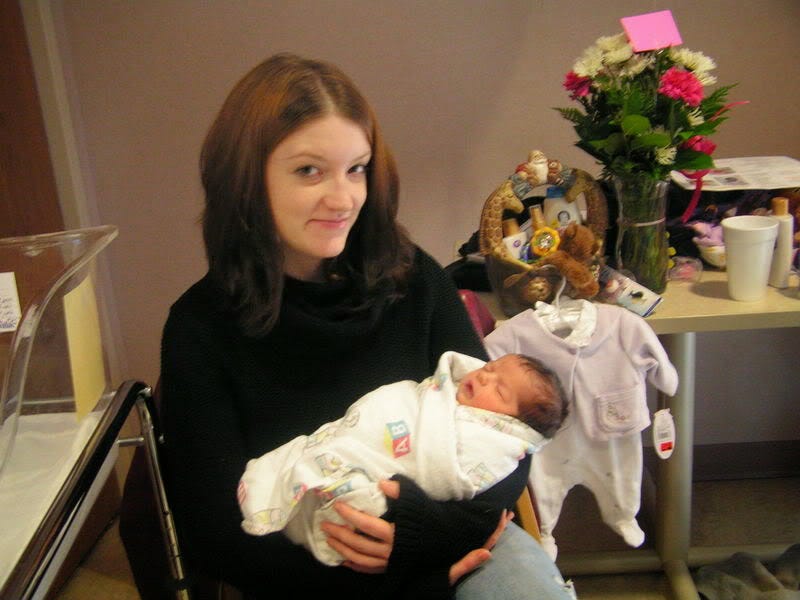
She was 61. An age that still sounds so much older to me than it is, than she seemed, the age at which I perpetually remember my grandmother even though my own mother is five years older than that now, with her own grandkids. My mom, meanwhile, remains 40 in my mind, even though I'm now 42. I'm sorry to say my 39-year-old sister still feels no older than twelve, even if her oldest child is now a legal adult just graduated high school. My mom's granddaughter. My niece, who I remember, clear as day, holding the day she was born.
My husband's cousin went back into his wife's room for a few minutes and we waited, unsure what to do. I cried. I couldn't help it, and I felt bad. It may have been a perfectly appropriate time to cry, but it felt selfish to let those tears out there. What pain could I possibly feel compared to hers, her needing to accept her own impending death, to happen, in effect, mere hours later, in one fell swoop. She was not ready. She had endless hope until they told her, in no uncertain terms, that there was simply none left. She was surprised. Shocked, even. She also thought she had more time, more options.
Crying like that in the presence of the people with so much more to lose, to carry, felt so selfish, so main character, so rude. I had to wait.
Of course, that's why I was crying. That's why it hit me so hard, to hear that from her loyal and loving husband, the man she continued to praise and idolize throughout her marriage to him. She was so proud of him. Of her beloved son. Of her new daughter-in-law.
He said, at the memorial, that he never knew how much she bragged about them, him and their son. He wasn't on social media and he didn't rummage through her purse, but now, going through it all, he saw just how much she loved them, even more than he already knew. Her public tributes to them, to her new daughter-in-law, the photos in her wallet of small, happy moments that he'd forgotten existed.
Someone mentioned her daughter-in-law in her hospital room. In and out of a drugged haze, combined with the toxicity in her blood now causing comprehension and memory issues, she turned to her son and asked, “when is she coming back?”
He told her, gently: “next time.” She seemed satisfied with his answer and smiled a little smile to herself. We all knew there would not be a next time and, surely, she did, too, but not in that moment. And maybe that was for the best.
She was someone you'd describe as having a “strong personality,” and you might mean that in a literal way, or you might mean that in the Minnesotan way, and both were accurate. I love people like her. I am drawn to the people who won't ever shut up even when they're somewhat annoying, maybe because I see myself in them. I didn't always enjoy when she'd get too drunk at Thanksgiving and trap me in a conversation about her neighbor's kid's prosthetic eye, but her incessant drunken chatter was, I had to admit, still always engaging and entertaining.
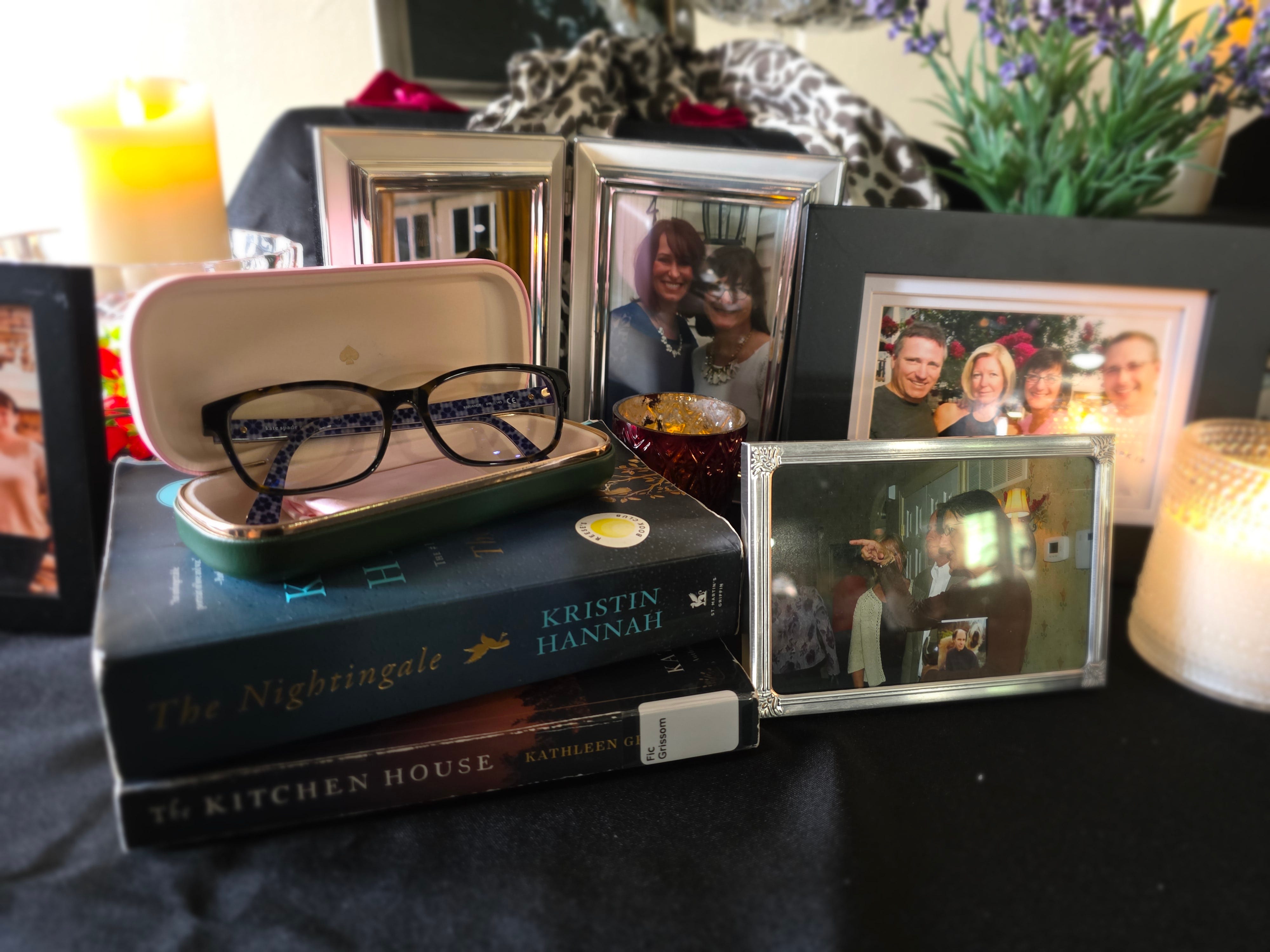
I never went to their house, up in the part of Northern Virginia where the rich people live that you have to take the toll road to get to and, as a result, simply don't, and she commented on that, a lot. She'd never been to our house, either, but that seemed to matter less. She was a domestic goddess, really, and that's why she wanted us to come. She wanted to show off, cook something gourmet and amazing for us, as she was known for. Almost ten years here and we never bothered to make the trip. I'll continue to regret my laziness in response to her bids for connection.
My husband lived with them for awhile, the first time he lived out here, before he met me. He told me stories of her spotless house and her amazing cooking. How he was afraid to touch a thing. I wanted to see this allegedly immaculate home. I thought, stupidly but understandably, that I'd have more time. She was always so vibrant, even through her ongoing illness, even when she complained about the effects of the long-term steroids on her body. She was so youthful, even at 60, several years older than her adoring, loving husband, who always thought he'd be the one leaving her alone someday.
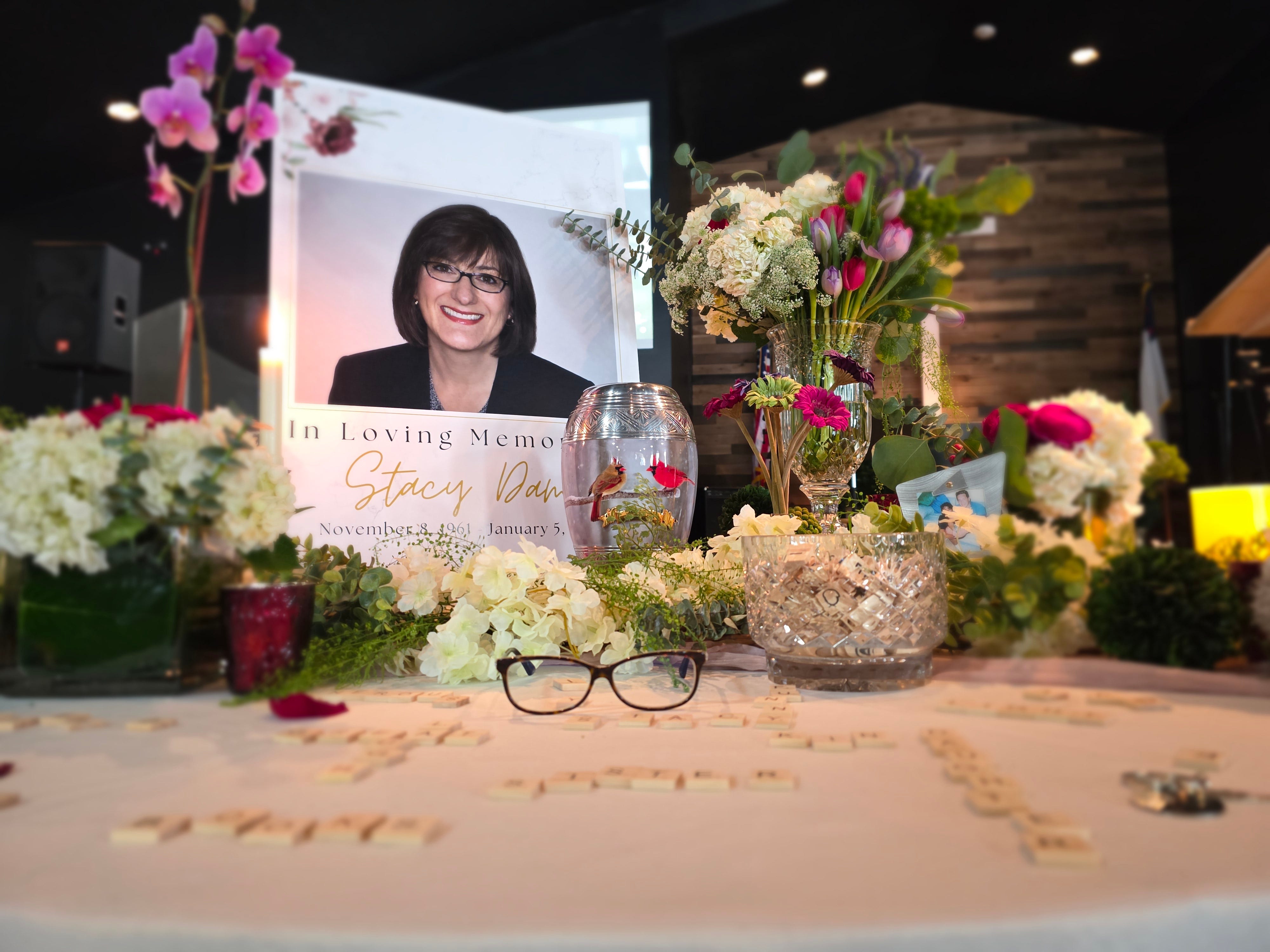
He thought it would be him because he had esophageal cancer many years ago, and his initial prognosis wasn't good. He prepared himself to die, forced himself to go through every stage of grief. But his wife fought for him endlessly, got a second opinion, and he's still here, still active, still kicking. Now mourning. Driving across the country with her ashes, to every place she wanted to go or return to. His updates on Facebook and the special app we all downloaded to watch are constant.
He talked about how smart she was, how her vocabulary exceeded that of anyone else he knew, how she used it to playfully intimidate and challenge him and the other men he'd hang out with.
All I could think was that I had to go back home.
I just had to go. I couldn't waste another second in involuntary isolation and I needed to go. My husband understood. Understands.
There's always a bargain to be made. Nothing comes easy, nothing is truly free.
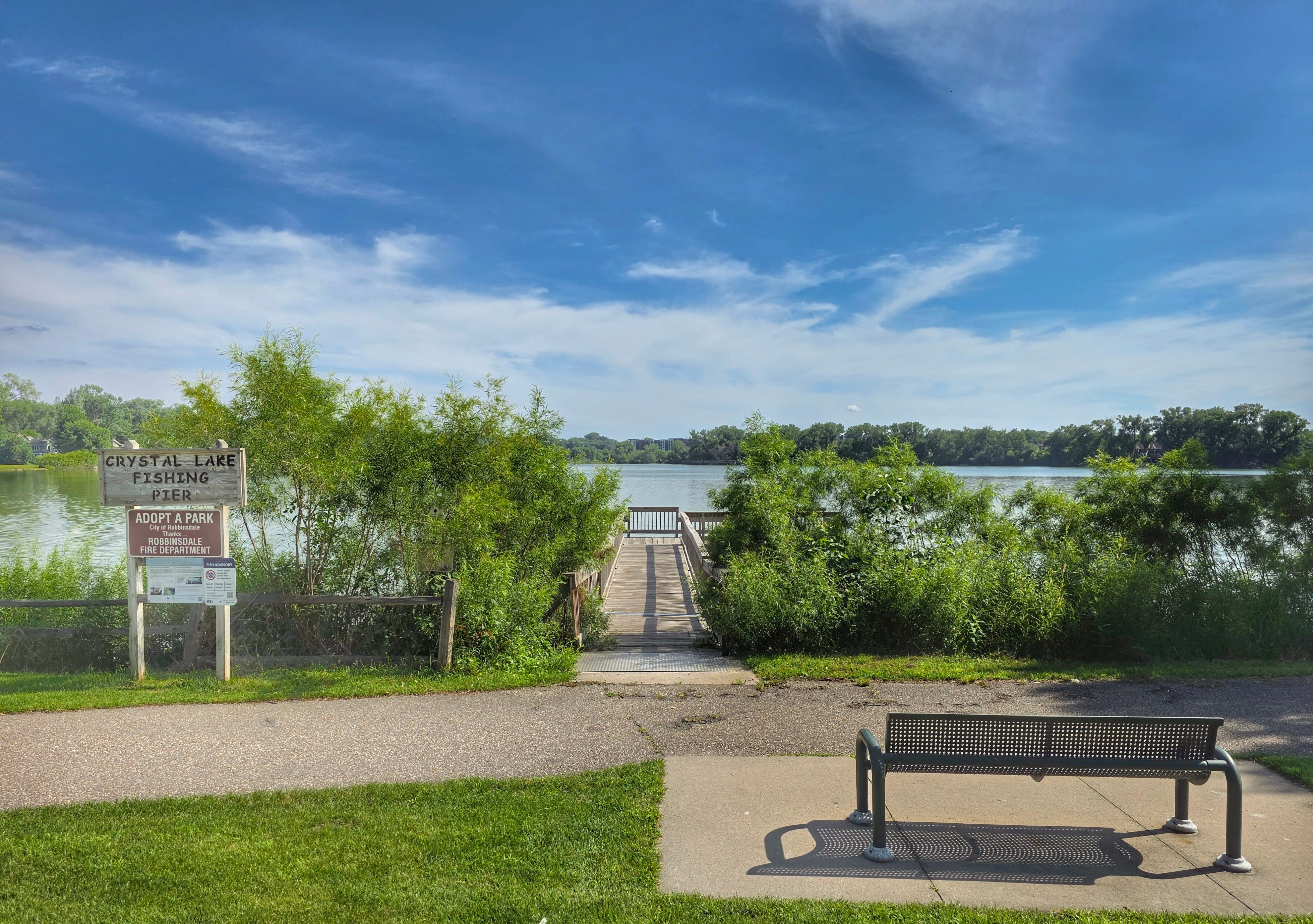
This cousin of my husband's wanted to talk to me. Or I wanted to talk to him. I can't remember who started it, but we played text and phone tag until earlier this month when I was driving aimlessly around town and finally decided to go to the lake I always walked to as a kid and teenager, just several blocks from where I grew up. The cousin texted me then, and I took his call. We talked for almost two hours, about life, death, the afterlife, his wife and how she died. How it felt to him. How it felt to her.

It turned out I was in the very park he also grew up walking to, the lake across the street where he always fished. The church, just outside the park, where he and his wife got married so many years ago. His old house, which was only a few blocks away, which I walked to and snapped photos to text him.

Serendipitous.
I refuse to believe nothing has meaning. I refuse nihilism, no matter how cheerful and freeing its educated followers find the philosophy.
I refuse to believe this is all for nothing.
What a memorial to her
Beautiful, Lirpa.